The rundown
Montreal doesn't have one nightclub scene. It has a converted 1859 gasworks, a bank vault, a second-floor techno room named after an Orwell novel, and a Russian-themed lounge on a residential avenue, and somehow none of them are trying to be each other. Here's where the dance floors actually are.
Newspeak
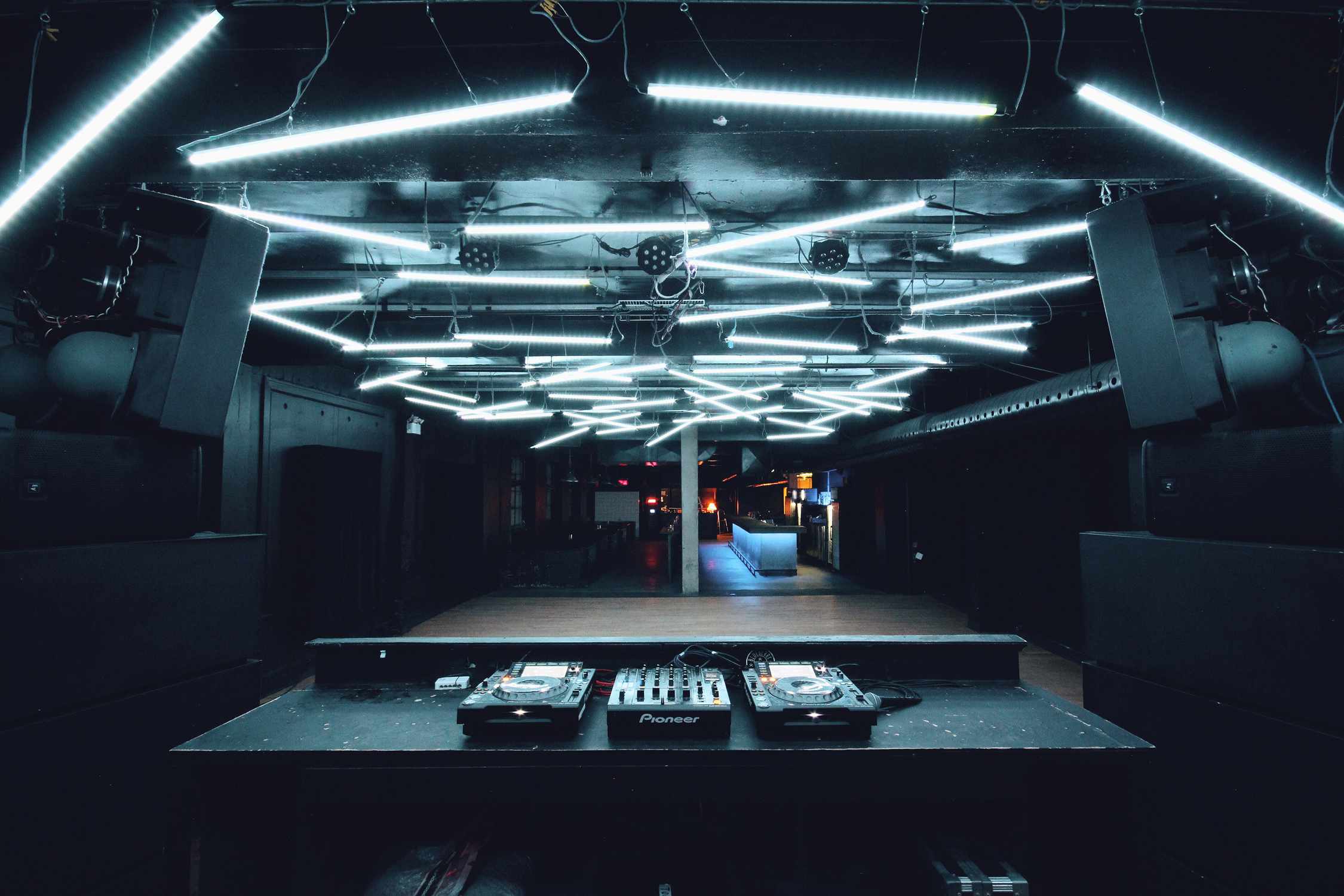
1403 Rue Sainte-Élisabeth, a short walk from the Quartier des Spectacles. Named after the fictional language in *1984*, this second-floor, midsize club is run by Montreal promoter Love Neon and functions as their home base for minimal and deep house programming, pulling touring European DJs into a room small enough that the crowd never gets lost in it. Good lights, a real sound system, plenty of bathroom stalls, which sounds like a small thing until it's 2am and it isn't.
What we're doing/ordering: Check the lineup before committing to a night, this room is built around specific DJ bookings more than a general Saturday-night vibe.
New City Gas
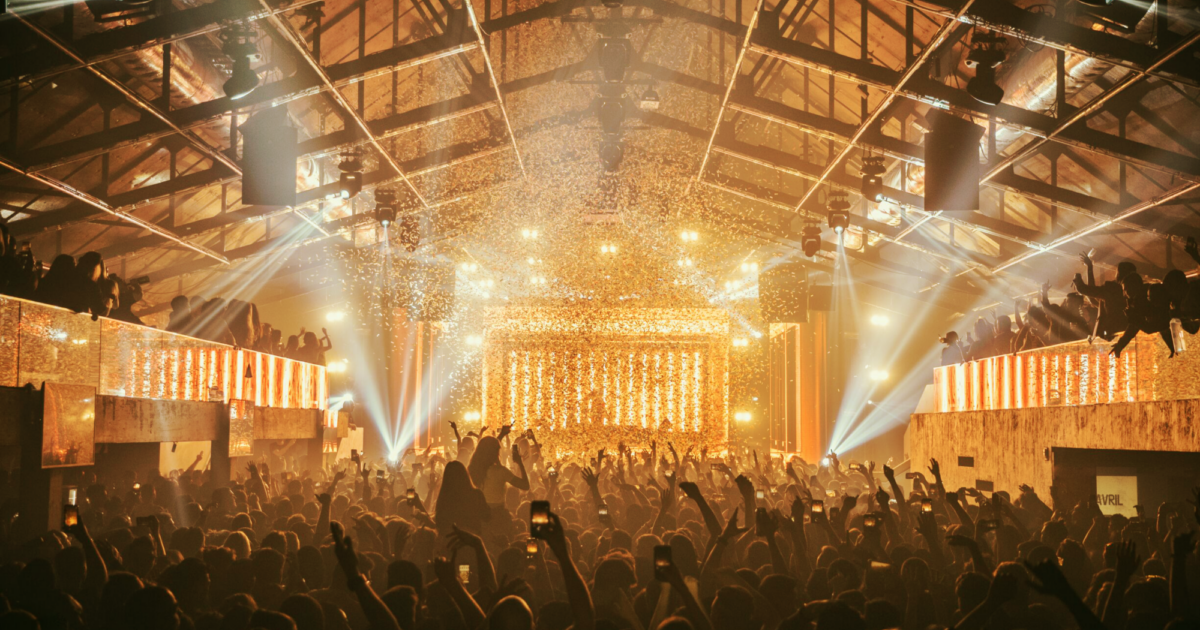
950 Rue Ottawa, Griffintown. Built in 1859 to turn coal into the gas that once lit Montreal's streets, this heritage complex was reborn in 2012 as a 40,000-square-foot event and dance space across two floors, with the original stone masonry and roofline left standing as the backdrop for a state-of-the-art sound and light rig. Big-name EDM bookings land here specifically because the room can hold the scale without losing the industrial character that makes it feel different from a generic warehouse club.
What we're doing/ordering: Arrive knowing which of the up-to-three rooms has the headline act, the building's big enough that wandering blind wastes real time.
Stereo
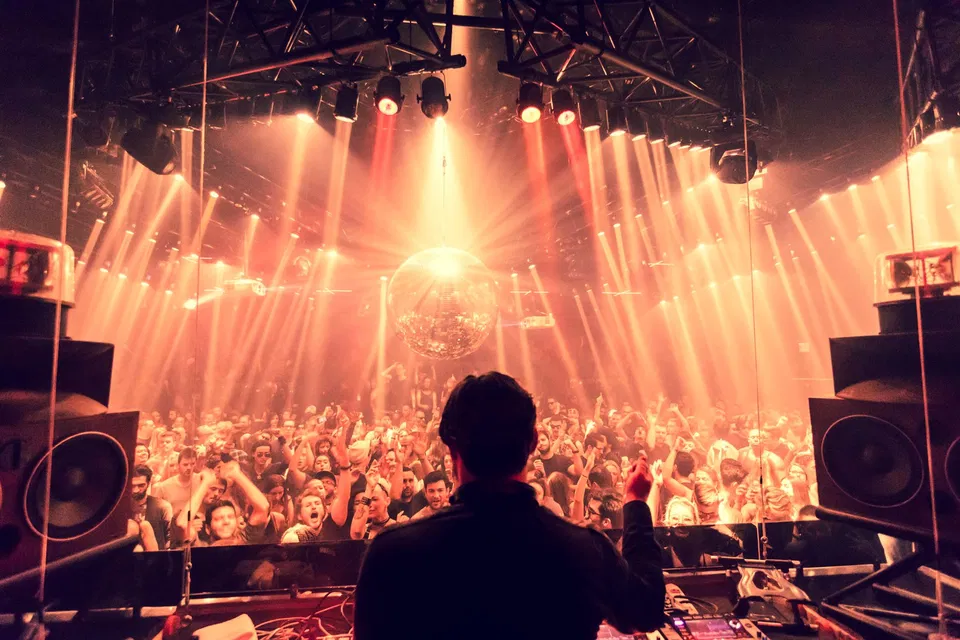
858 Rue Sainte-Catherine Est. Opened in 1998 and still running on a sound system serious house and techno heads travel specifically to hear, Stereo built its reputation as one of the more respected afterhours clubs in North America. It leans deep into the genre rather than chasing whatever's charting, which is exactly why the crowd that shows up already knows what they came for.
What we're doing/ordering: This is a late-into-the-morning room, not an early-night stop, plan accordingly and don't show up expecting a full floor before 1am.
Datcha
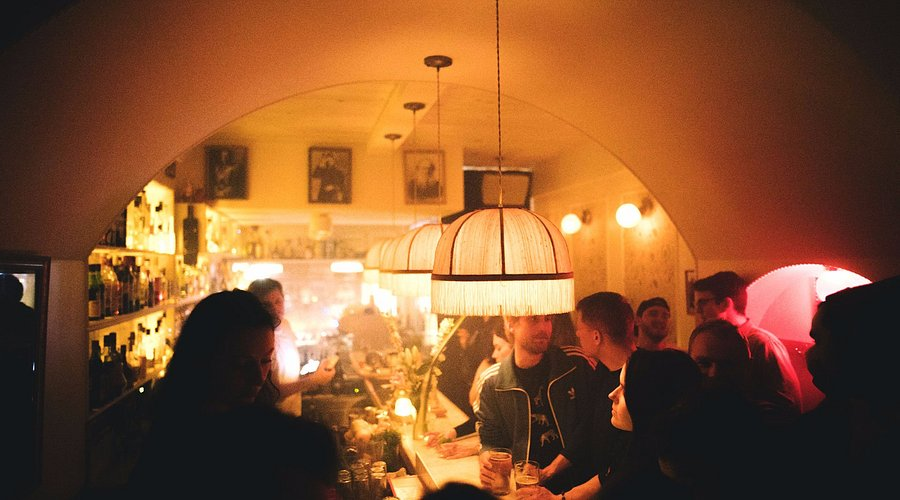
Avenue Laurier Ouest, Mile End/Outremont border. A hip, low-lit cocktail bar with a Russian theme that turns into a genuine dance spot as the night wears on, Datcha splits the difference between a bar people actually sit and talk in and a club people actually move in. The Russian-inspired decor and drink list give it a personality that most straightforward dance clubs skip entirely in favor of just being dark.
What we're doing/ordering: Start with a cocktail at the bar before the dancing takes over, the early-evening version of this room is worth experiencing on its own.
La Voûte

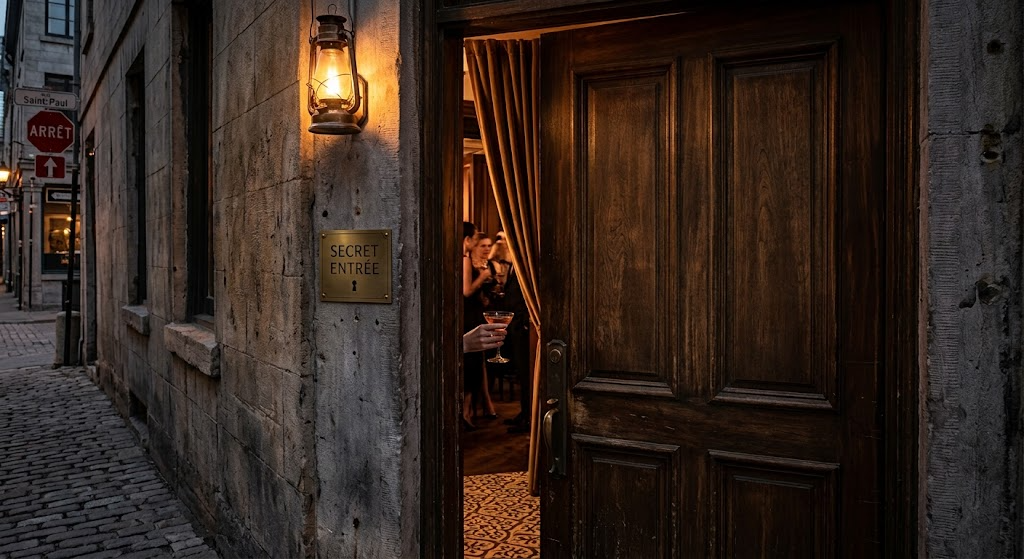
Old Montreal, inside the preserved vault of a historic Royal Bank of Canada building. The literal bank vault is still the room, which makes for a genuinely unusual clubbing backdrop: heavy doors, reinforced walls, a sense of being somewhere that wasn't built for dancing but ended up perfect for it anyway. International and local DJs mix here for a crowd that leans dressed-up rather than casual.
What we're doing/ordering: Dress for it, this crowd and this room both read as more polished than a standard Saturday-night club, and the vault's history is worth asking a staff member about between sets.
The Pattern
Montreal's clubs don't share a single sound or aesthetic, but they share an origin story: almost none of them were built to be a nightclub. A gasworks, a bank vault, a residential-street lounge, a second-floor room named for a novel about surveillance. The city's dance floors keep landing inside buildings that used to do something completely different, and something about that history seems to make the dancing feel less disposable than it would in a room built for nothing else.